
Mental: Why Extreme Volatility Appeals to a Specific Audience
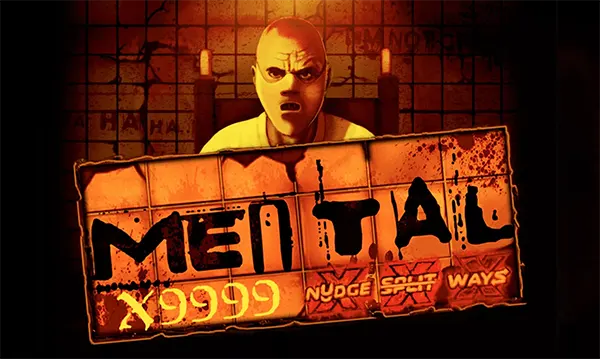
Slots with extreme volatility have become one of the most discussed categories in online casinos during 2026, especially among experienced players searching for unpredictable gameplay and unusually large payout potential. Mental, developed by Nolimit City, remains one of the clearest examples of how high-risk mechanics can build a loyal audience despite long losing streaks and intense bankroll pressure. The game is known not only for its brutal volatility but also for its distinctive visual style, psychological tension and unconventional bonus structure. While casual players often avoid this type of slot, a separate audience actively searches for titles that create emotional intensity and require patience, discipline and tolerance for risk.
Why Mental Became One of the Most Recognisable Extreme Slots
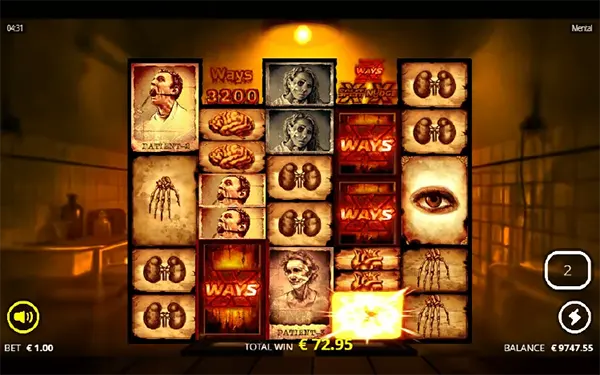
Mental was released by Nolimit City and quickly gained attention because of its maximum win potential, aggressive mechanics and disturbing laboratory-inspired atmosphere. Unlike traditional video slots that focus on balanced entertainment, Mental was designed around instability and escalation. The gameplay intentionally creates periods of tension where players can experience many spins without meaningful returns before a sudden multiplier chain changes the session completely.
One reason for the slot’s popularity is its ability to generate memorable moments. Modern slot audiences increasingly consume gambling content through streaming websites, social media clips and community forums. Mental produces dramatic bonus rounds that attract attention because the swings feel more intense than in standard low-volatility titles. This creates discussion among players who enjoy analysing risk-heavy gameplay and sharing rare winning sessions.
Another important factor is the reputation of Nolimit City itself. By 2026, the studio has established a strong identity connected with controversial themes, experimental mechanics and extremely volatile mathematical models. Players who already enjoy titles such as San Quentin 2, Fire in the Hole 2 or Tombstone RIP often approach Mental with clear expectations. They understand that the slot is not designed for stable entertainment sessions but rather for players comfortable with aggressive variance.
The Psychological Attraction of High-Risk Gameplay
Extreme volatility appeals to players who enjoy emotional tension as much as potential rewards. In games like Mental, uncertainty becomes part of the entertainment itself. Long periods without major payouts increase anticipation, making bonus features feel more valuable psychologically. For some users, this creates a stronger emotional response compared to slots with predictable small wins.
There is also an element of personal challenge involved. Certain players treat high-volatility slots almost like endurance tests where bankroll management and emotional control matter more than constant action. Mental rewards patience in a very specific way. Sessions can feel exhausting, but for some users that intensity is exactly what separates the game from conventional slot products available in most online casinos.
Streaming culture has additionally influenced player behaviour. Many viewers watch creators attempt dangerous bonus buys or large stake sessions on volatile slots. Mental fits perfectly into this environment because the gameplay naturally creates suspense. Even unsuccessful sessions generate reactions and discussion, which increases the slot’s visibility and reinforces its reputation as a game associated with extreme outcomes rather than ordinary entertainment.
How Extreme Volatility Changes Player Behaviour
Slots with severe variance affect gambling behaviour differently compared to medium or low-volatility games. In Mental, players often enter sessions with a specific mindset. Instead of expecting regular payouts, they prepare for long losing sequences while hoping for a rare feature combination capable of producing significant returns. This changes both betting strategy and emotional expectations during gameplay.
Another noticeable difference is bankroll allocation. Experienced players frequently use stricter budgeting rules when approaching highly volatile slots. Mental can consume balances rapidly because dead spins are common and bonus features may not trigger for extended periods. As a result, many users reduce stake sizes or create session limits before starting gameplay. This reflects growing awareness around responsible gambling practices within experienced gambling communities during recent years.
The popularity of bonus buy features also influences behaviour around extreme volatility. In regulated markets where bonus buys remain permitted, some players bypass standard gameplay entirely and purchase direct access to Mental’s feature rounds. While this increases entertainment intensity, it also accelerates risk exposure significantly. Regulatory discussions around bonus buys have continued across European markets during 2025 and 2026 because of concerns regarding rapid spending patterns.
Why Casual Players Often Avoid Games Like Mental
Although Mental has a dedicated fan base, many casual players find the experience frustrating rather than entertaining. Low hit frequency combined with aggressive volatility can make sessions feel repetitive and financially draining. Players accustomed to constant small rewards may lose interest quickly because the slot offers very little short-term stability.
The visual presentation also contributes to polarised reactions. Mental intentionally uses uncomfortable themes involving laboratories, restrained patients and psychological horror aesthetics. This artistic direction strengthens the game’s identity but narrows its audience. While some players appreciate unusual storytelling in slots, others prefer lighter themes with less aggressive presentation.
Another issue involves misunderstanding volatility itself. Many inexperienced users focus only on advertised maximum wins without fully understanding the statistical reality behind high-risk slots. Mental demonstrates how rare large payouts actually are. This is why experienced gambling communities frequently emphasise bankroll discipline and realistic expectations when discussing extreme volatility products.
The Future of Extreme Volatility Slots in 2026
By 2026, extreme volatility remains one of the strongest trends among specialised slot audiences. Developers continue producing titles with increasingly aggressive mechanics because there is clear demand from players seeking more intense experiences. However, studios are also under growing pressure from regulators examining the relationship between volatility, bonus buys and responsible gambling standards.
Modern slot development increasingly focuses on audience segmentation. Games like Mental are no longer designed for universal appeal. Instead, studios intentionally target players who already understand volatility systems and actively search for high-risk content. This approach allows developers to build strong identities while differentiating themselves within an extremely competitive casino market.
At the same time, casinos themselves have started providing more detailed information about slot characteristics. RTP percentages, volatility ratings and maximum exposure mechanics are now more visible on many licensed gambling websites than they were several years ago. This helps players make more informed decisions before entering sessions on titles like Mental, where expectations play an important role in the overall experience.
Can Extreme Volatility Remain Popular Long-Term?
The long-term future of extreme volatility slots will likely depend on balance. There is strong demand for intense gameplay experiences, but player protection rules continue evolving across Europe and other regulated markets. Some countries have already introduced stricter limitations on bonus buys, autoplay systems and advertising connected with aggressive gambling mechanics.
Despite these regulatory developments, games like Mental continue attracting dedicated communities because they provide something fundamentally different from traditional slots. The appeal is not only connected to money but also to emotional intensity, unpredictability and social discussion. Players who enjoy analysing risk-heavy mechanics often treat these games as specialised entertainment rather than casual background gameplay.
Mental represents a broader change within online gambling culture where niche audiences increasingly influence development trends. Instead of creating universally accessible slot experiences, studios now build games for clearly defined player types. Extreme volatility remains controversial, but its popularity shows that a significant part of the gambling audience actively seeks tension, uncertainty and rare high-impact moments that conventional slots cannot provide.